Quick answer
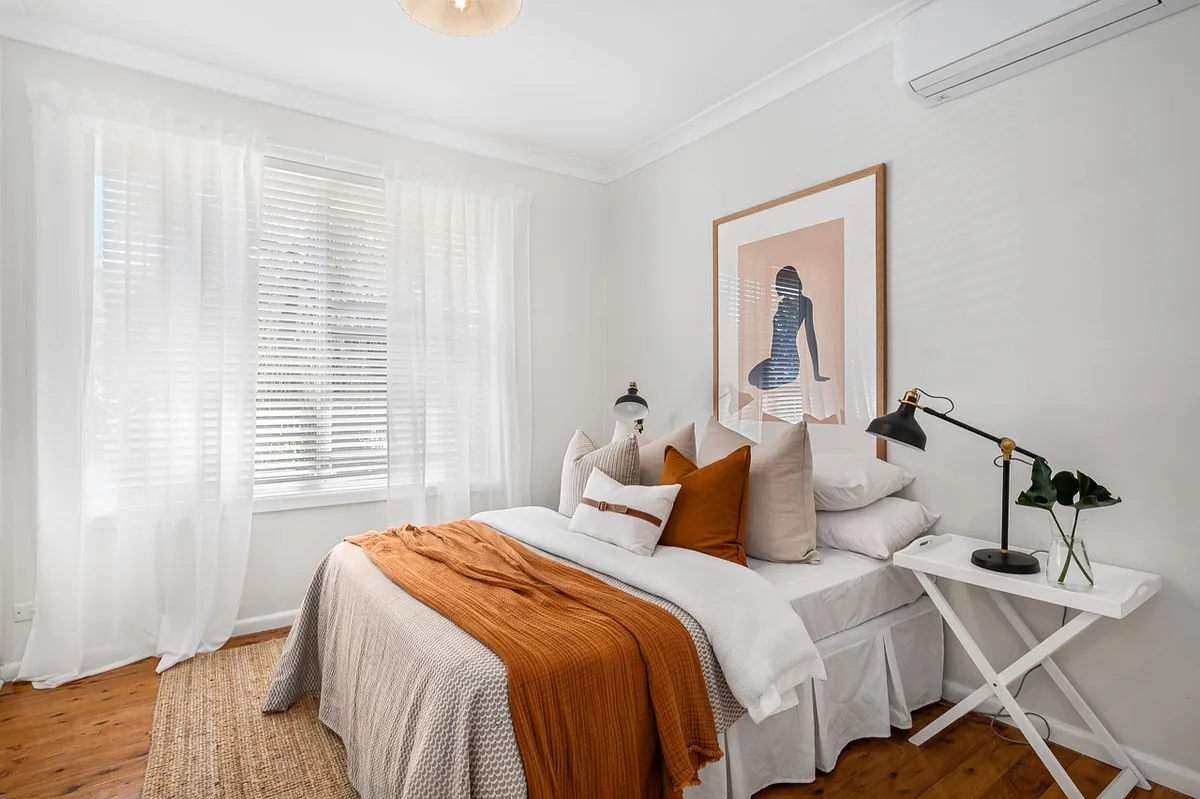
The best bedroom organization ideas give every item near the bed a home: a nightstand with only nightly essentials, divided dresser drawers, lidded under-bed bins, hooks for half-worn clothes and a five-minute reset before sleep. Here are 16 ideas that work in any size bedroom, plus the safety rules to follow while you set them up.
Contents
The bedroom is supposed to be the calmest room in the house, but it often ends up as the place where everything else lands. Laundry waits on a chair, the nightstand turns into a junk drawer with a lamp on top, and the floor of the closet slowly creeps out into the room. Because you close the door on it, the mess is easy to ignore until you can’t.
These bedroom organization ideas focus on the spots that cause most of the clutter: the nightstand, the dresser, the space under the bed, the walls, and that one chair. Most of them cost little or nothing. A few rely on things you probably already own, like shoeboxes and spare hooks. You’ll also find a short section on safety, because bedroom furniture and storage come with a couple of risks most organizing guides skip.
Start With a 20-Minute Bedroom Edit
Organizing clutter just moves it around. Before you buy a single bin, take 20 minutes to clear out what doesn’t belong in the room. For a whole-house version of this step, our room-by-room decluttering checklist walks through the method in detail.
1. Sort everything that doesn’t belong in a bedroom
Grab three bags or boxes and label them “Belongs elsewhere,” “Donate” and “Trash.” Work clockwise around the room, starting at the door. Dishes, mail, kids’ toys, tools and gym gear go in the first box and get returned to their rooms when you’re done, not tomorrow. Clothes that don’t fit or you haven’t worn in a year go in the donate box.
2. Decide what the room is actually for
A bedroom that also works as an office, a gym or a kids’ play space needs clear zones, or everything blends together. Make a quick list of what happens in the room and give each activity one defined spot: a desk corner, a basket for yoga gear, a shelf for books. Anything that doesn’t match one of those activities is a candidate for another room. The Sleep Foundation notes that a cool, quiet, dark bedroom supports better rest and suggests keeping screens out of the bedroom, so if your room doubles as a workspace, at least give the work gear a spot you can close or cover at night (Sleep Foundation).
Nightstand Organization Ideas
The nightstand collects more small stuff than any other surface in the room. The goal is a top you can wipe in five seconds and a drawer you can open in the dark without digging.
3. Keep only nightly essentials on top
A lamp, a phone charger, a glass of water and the book you’re reading right now. That’s it. Everything else, like lotion, lip balm, glasses, earplugs and a pen, goes in the drawer. A small tray on top works as a boundary: if it doesn’t fit on the tray, it doesn’t live on the nightstand.
4. Divide the nightstand drawer
Without dividers, a nightstand drawer turns into a pile in about a week. Small drawer organizers, the same kind you’d use for utensils, keep things in separate lanes. No budget for organizers? Shoebox lids, small jewelry boxes and old phone boxes work as dividers just as well.
5. Corral cords instead of hiding them under the rug
Charger cables and lamp cords are a big part of visual clutter by the bed. Run them along the back leg of the nightstand with adhesive cord clips, or use a small charging station so cables stop draping over the edge. Just don’t solve the problem by pushing an extension cord under a rug or the mattress. The Electrical Safety Foundation International warns that covered cords can’t release heat, which creates a fire hazard, and that extension cords are meant as a temporary fix, not permanent wiring (ESFI). If you need more outlets by the bed, that’s a job for an electrician.
Dresser and Drawer Organization
A dresser holds a lot more when the drawers are set up with a plan. These three changes make the biggest difference.
6. File-fold clothes so you can see everything
Instead of stacking shirts flat, fold them into rectangles and stand them upright in the drawer, like files in a cabinet. You can see every item at a glance, and pulling one out doesn’t topple the rest. File folding works especially well for T-shirts, leggings, pajamas and workout gear.
7. Give each drawer one job
Assign categories by drawer: one for underwear and socks, one for sleepwear, one for tops, one for bottoms. Use the top drawers for things you grab every day and lower drawers for bulkier or seasonal items. Keeping heavier things low is good for organization and stability, since CPSC advises storing heavier items on lower shelves (CPSC).
8. Clear the top of the dresser
A dresser top is a magnet for loose change, receipts, hair ties and jewelry. Give the useful stuff a container, such as a small dish for jewelry and a catch-all tray for keys and wallets, and keep the rest of the surface clear. Mayo Clinic’s dust-mite guidance recommends removing knickknacks, books and magazines that collect dust from the bedroom, which is one more reason to keep surfaces simple (Mayo Clinic).
Safety note: anchor your dresser to the wall, even if you don’t have kids. CPSC staff estimated an annual average of 5,300 emergency room-treated injuries from clothing storage units like dressers tipping over (2006 to 2021), and about 72 percent involved children (CPSC). A basic anchoring kit takes minutes to install (Anchor It!).
Under-Bed Storage That Doesn’t Become a Dust Trap
The space under the bed is the biggest hidden storage spot in most bedrooms. Used well, it can hold a whole season of clothes. Used badly, it becomes a dusty pile you avoid looking at.
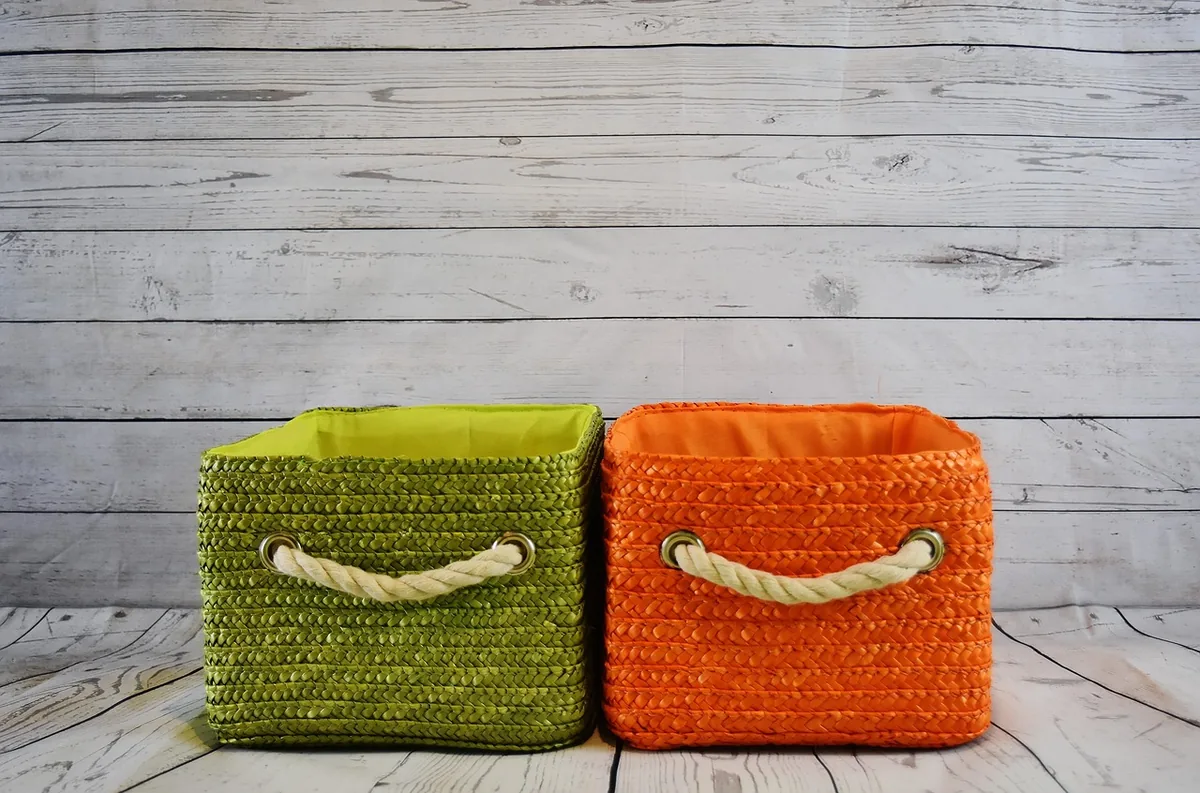
9. Use lidded, labeled containers
Store items in lidded bins or zippered bags rather than loose. Lids keep out dust, and labels on the short end let you find what you need without pulling everything out. Rolling under-bed drawers are worth it for things you reach for often, like extra blankets.
10. Store by season, not by “someday”
Under-bed storage works best for things with a clear schedule: off-season clothes, spare bedding, holiday wrapping paper. It’s a poor home for things you’re not sure about, which tend to stay hidden for years. If you need more clearance, bed risers or a storage bed can add space. Our apartment hacks for small spaces cover raised-bed setups in more detail.

11. Keep spare bedding with the bed it belongs to
If you don’t have a linen closet, store each bed’s spare sheet set in a flat bin under that bed. Tuck the folded fitted sheet, flat sheet and one pillowcase inside the second pillowcase so the set stays together. For a full system, see our linen closet organization ideas.
Use the Walls and the Back of the Door
When floor space is tight, look up. Vertical storage keeps things off the floor and within reach.
12. Add hooks for half-worn clothes
Jeans you’ll wear again tomorrow and a robe or a favorite cardigan don’t belong in the hamper or back in the drawer, which is why they end up on the floor. A row of wall hooks or an over-the-door hook rack gives them an official spot. Hang hooks at a height that’s easy to reach so you actually use them.
13. Install a shelf above the dresser or desk
A single floating shelf can hold books, a small plant and a few baskets, freeing up the dresser top. Keep it to light items. If you rent, removable adhesive hooks and freestanding shelves avoid holes, and if you do drill, small screw holes are easy to patch before move-out.
Tame the Clothes Chair and the Laundry Pile
Almost every bedroom has a “chair” or a corner where clothes pile up. The fix isn’t willpower. It’s giving those clothes a real place to go.
14. Put a hamper where clothes actually come off
If the hamper is in the closet but you change by the bed, clothes will end up by the bed. Move the hamper to where you really undress, and choose one with a lid or a liner so it looks tidy. A two-section hamper lets you sort lights and darks as you go.
15. Keep a donation bag in the closet
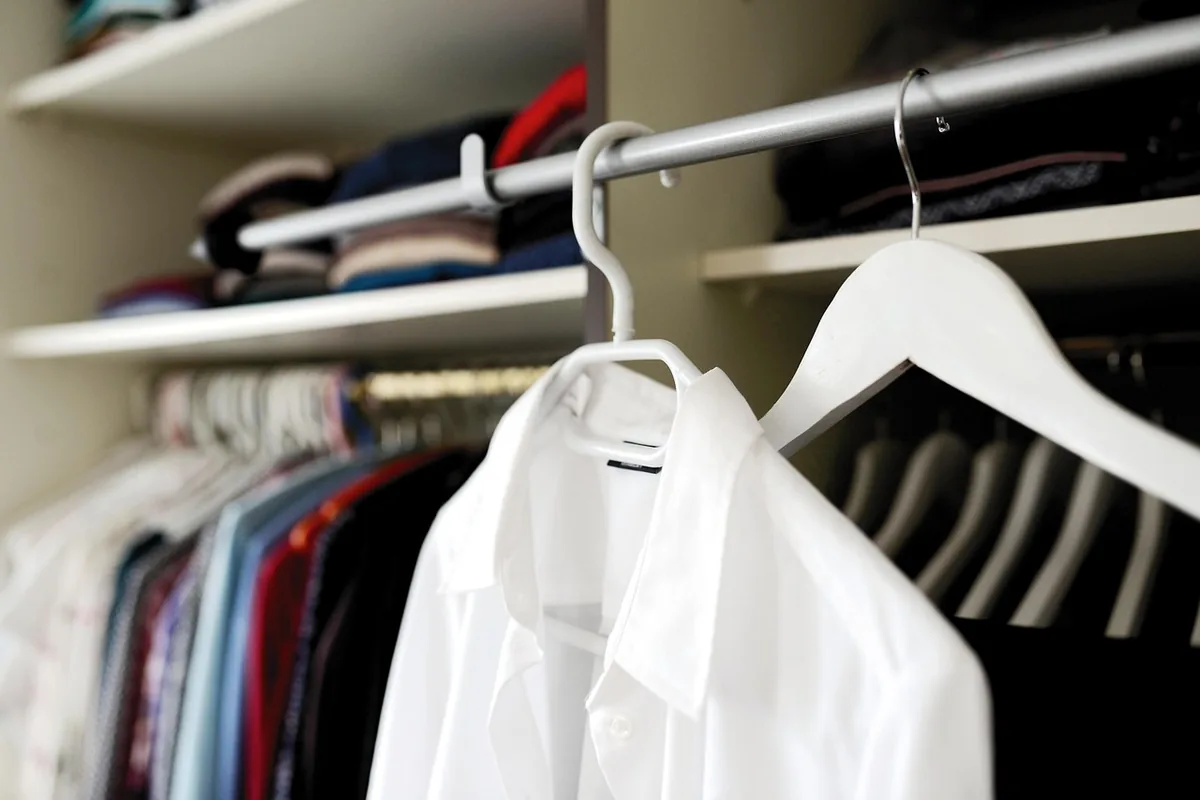
When you try something on and realize you don’t like it, it goes straight into the donation bag instead of back on the chair. Once the bag is full, drop it off. For more closet-specific ideas like slim hangers and double rods, see our small closet organization hacks.
Small Bedroom Organization Ideas
In a small bedroom, every piece of furniture has to work hard. The ideas above all apply, plus this one:
16. Choose furniture that stores something
A bed with drawers, an ottoman or bench with a lift-up lid at the foot of the bed, or a nightstand with a drawer and a shelf instead of a table with open legs. Each one adds storage without adding another piece of furniture. Measure before you buy, and leave enough space to open drawers fully and walk around the bed.
Whatever you add, keep the path to the door and windows clear. NFPA recommends identifying two ways out of each room, including windows, and checking that escape routes are clear and doors and windows open easily. It warns that items blocking doors and windows could keep you from escaping a fire (NFPA). Don’t park a tall dresser or stacked bins in front of the only bedroom window.
Bedroom Organization Safety Rules
Organizing a bedroom means moving heavy furniture around and adding storage. Keep these rules in mind:
- Anchor dressers, bookcases and TVs. CPSC’s Anchor It! campaign says anchoring furniture with drawers, doors and shelves to the wall prevents tip-over injuries and deaths (Anchor It!). A federal stability standard for dressers took effect in September 2023, but dressers made before then may not meet it, so anchor older pieces too (CPSC).
- Don’t store tempting items up high. CPSC advises against putting toys or remotes where kids may climb to reach them (CPSC).
- Keep exits clear. Doors and windows should open easily, with no furniture blocking them (NFPA).
- Don’t bury cords. Keep extension cords out from under rugs, beds and mattresses (ESFI).
- Keep smoke alarms in place. NFPA recommends a smoke alarm in every sleeping room. Don’t cover one with a shelf or hanging decor (NFPA).

The 5-Minute Nightly Bedroom Reset
Organization lasts when there’s a small daily habit behind it. Before bed, set a timer for five minutes and do this:
- Put worn clothes in the hamper or on the hooks, never on the chair.
- Return stray items to the “belongs elsewhere” spot by the door, then carry them out in the morning.
- Clear the nightstand back down to its essentials.
- Close every drawer and closet door.
- Make the bed in the morning. It takes about a minute and instantly makes the room look tidy.
Once a week, add a quick dust and a sheet change. Mayo Clinic suggests washing bedding weekly in hot water (at least 130°F) if you’re dealing with dust mites, and using a damp cloth instead of a dry one to dust (Mayo Clinic). Our bedroom cleaning hacks cover the cleaning side in detail.
Frequently asked questions
How do I organize my bedroom with a lot of stuff?
What is the best way to organize a small bedroom?
How can I organize my bedroom without spending money?
Should I anchor my dresser if I don’t have kids?
Is under-bed storage bad for dust?
The Bottom Line
The best bedroom organization ideas are simple: clear out what doesn’t belong, give the nightstand, dresser and under-bed space one clear job each, and create real homes for half-worn clothes and laundry. Anchor heavy furniture, keep doors and windows clear, and don’t bury cords. Then a five-minute nightly reset keeps your bedroom calm, clutter-free and ready for sleep.
Sources
- U.S. Consumer Product Safety Commission: Anchor It! (anchorit.gov)
- CPSC: Anchor It! Campaign Marks 10 Years (July 2025)
- CPSC: New Federal Safety Standard for Dressers and Other Clothing Storage Units (Oct. 2022)
- NFPA: Home Fire Escape Planning
- Electrical Safety Foundation International: Extension Cord Safety Tips
- Mayo Clinic: Dust Mite Allergy, Diagnosis and Treatment (Self-care)
- Sleep Foundation: Bedroom Environment