Quick answer
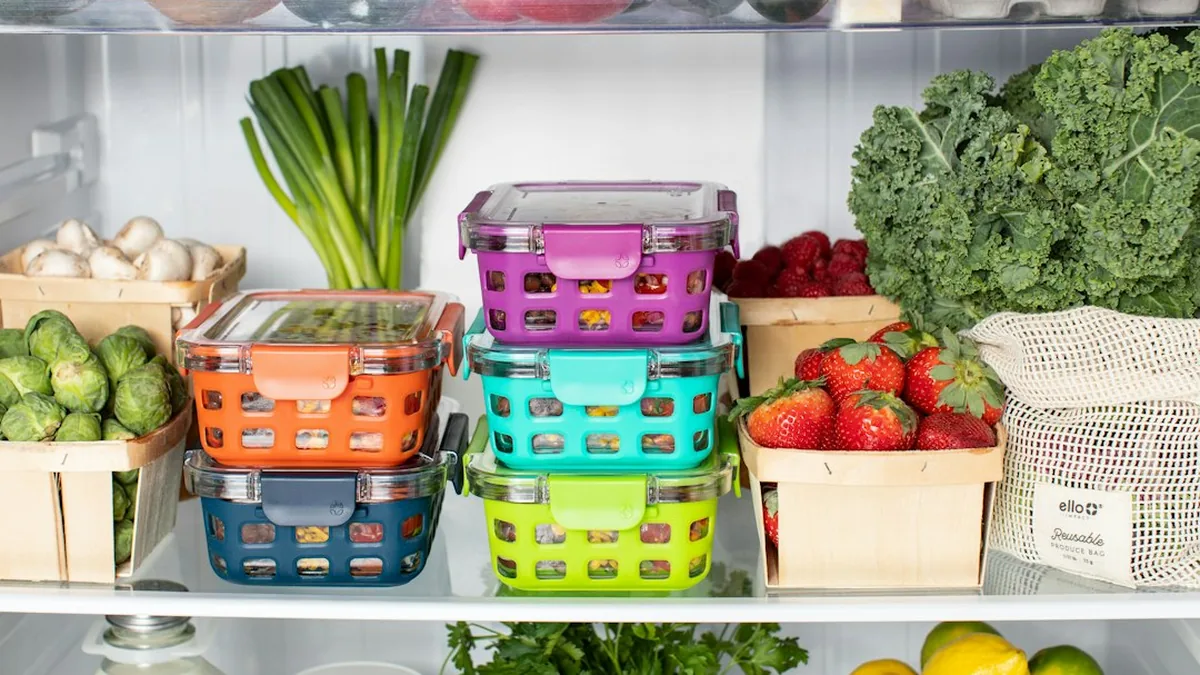
A well-organized fridge wastes less food and makes cooking easier. 15 fridge organization ideas, the safest shelf for each food, and a 10-minute weekly reset.
Contents
A fridge gets messy faster than almost anywhere else in the kitchen. Groceries get shoved in wherever they fit, leftovers hide at the back, and good food goes bad before anyone sees it.
Organizing a fridge is not really about matching bins. It is about giving every food a home, keeping the oldest items in view, and storing raw and ready-to-eat foods in the safest spots. Here are 15 fridge organization ideas that keep it tidy and cut down on waste.
Start With a Full Clear-Out
Before you organize, empty it. Take everything out, toss what is expired or questionable, and wipe the shelves. A warm cloth with a little dish soap handles most spills; our kitchen cleaning hacks cover sticky drawer messes. Starting from empty is the only way to really see what you have.
Set Up Fridge Zones
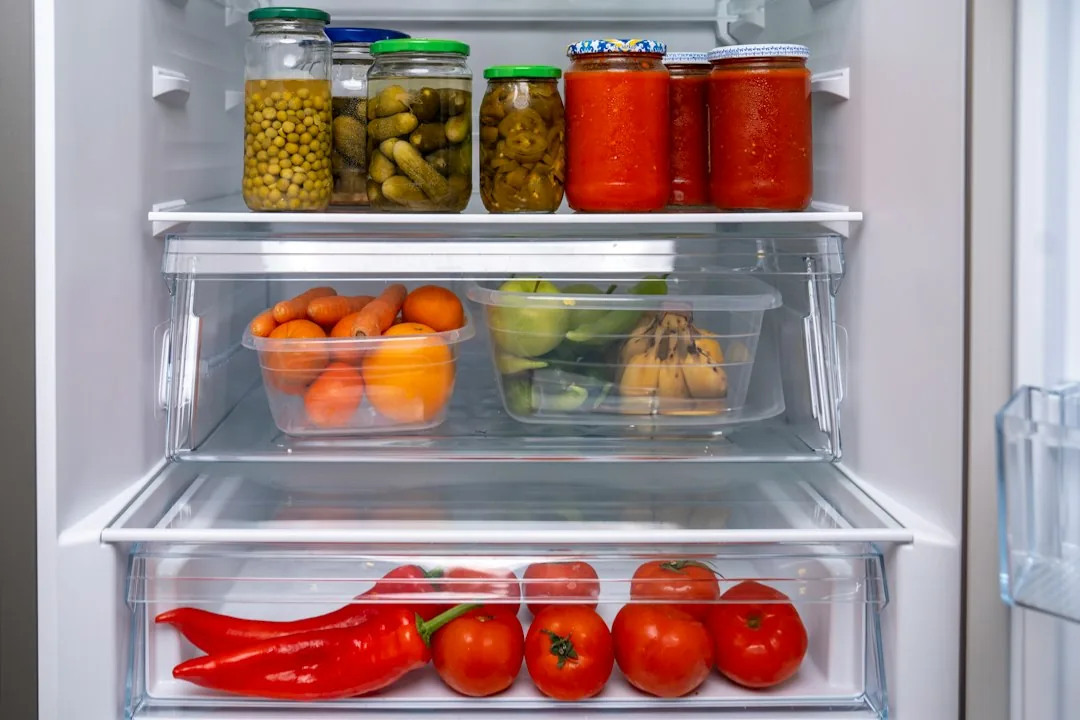
The single most useful idea is to give each shelf a job. Temperature is not even throughout a fridge, so zones also keep food fresher and safer.
| Zone | Store here | Why |
|---|---|---|
| Top shelf | Leftovers, drinks, ready-to-eat foods | Warmest and most even temperature |
| Middle shelf | Dairy, eggs | Steady cold; eggs keep best here, not the door |
| Bottom shelf | Raw meat, poultry, fish | Coldest spot, and drips cannot reach other food |
| Crisper drawers | Fruit and vegetables | Humidity control keeps produce crisp |
| Door | Condiments, juice, butter | Warmest area, fine for high-acid items |
Store raw meat on the bottom shelf, sealed, so nothing can drip onto food below. This matches FDA storage guidance and is the easiest way to avoid cross-contamination.
15 Fridge Organization Ideas
1. Add clear bins
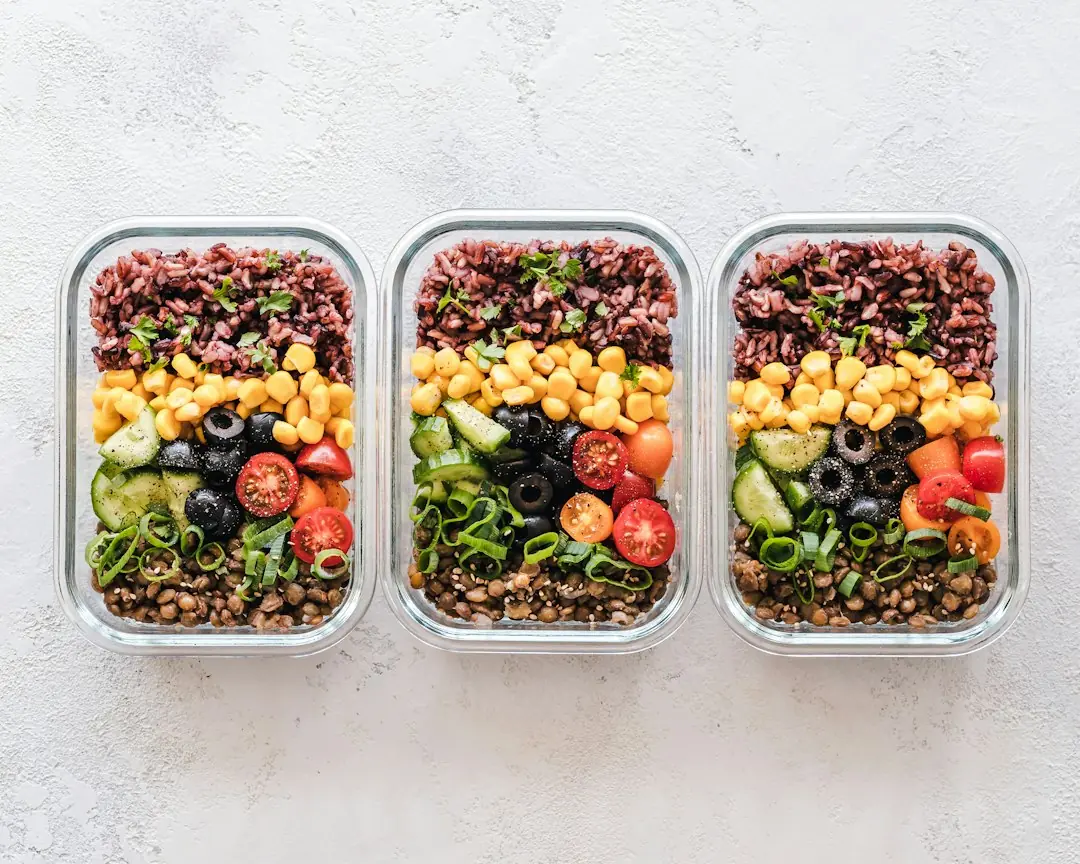
Clear bins group similar items (snacks, breakfast, cheese) and pull out like drawers so you can reach the back. You see everything, which means you use everything.
2. Make an “eat me first” bin
Keep one bin at eye level for leftovers and produce that needs using soon. This one habit cuts more food waste than any other.
3. Use a lazy Susan for condiments
A turntable on a shelf or in the door stops the forest of half-used jars. One spin and you see them all.
4. Store produce correctly
Most fridges have a high-humidity drawer (for leafy greens) and a low-humidity drawer (for fruit). Keep ethylene producers like apples away from greens so they do not wilt faster.
5. Group by meal, not just type
A “lunch” bin or “kids’ snacks” bin makes busy mornings faster and keeps random items from spreading everywhere.
6. Decant berries and herbs
Line a container with a paper towel for berries, and stand herbs upright in a little water. Both last noticeably longer and look tidier.
7. Use a bin for jars and dressings
Corralling tall skinny bottles in one bin stops them tipping and makes the shelf wipeable in seconds.
8. Add an egg and dairy tray
Keep eggs in their carton on the middle shelf, not the door, where the temperature swings. A small tray keeps yogurt and cheese together.
9. Label leftovers with a date
A piece of tape and a marker tells you at a glance what is still good. No more mystery containers.
10. Keep drinks in one place
A drink bin or the top shelf frees up space and stops cans rolling around.
11. Use the door for what tolerates warmth
Condiments, juice and butter are fine in the warmest zone. Milk and eggs are not.
12. Store tall items at the back
Put tall bottles behind shorter ones so you can see everything in front. Simple, but it stops the back row from being forgotten.
13. Keep a small “overflow” freezer bin
When you cook extra, freeze it in a labeled bin so leftovers do not crowd the fridge and get lost.
14. Leave room for air to move
Do not pack it solid. Cold air needs to circulate, and an overstuffed fridge cools unevenly.
15. Do a quick reset each week
Before grocery shopping, pull everything forward, toss what is past it, and wipe spills. Ten minutes keeps the whole system working.
A 10-Minute Weekly Fridge Reset
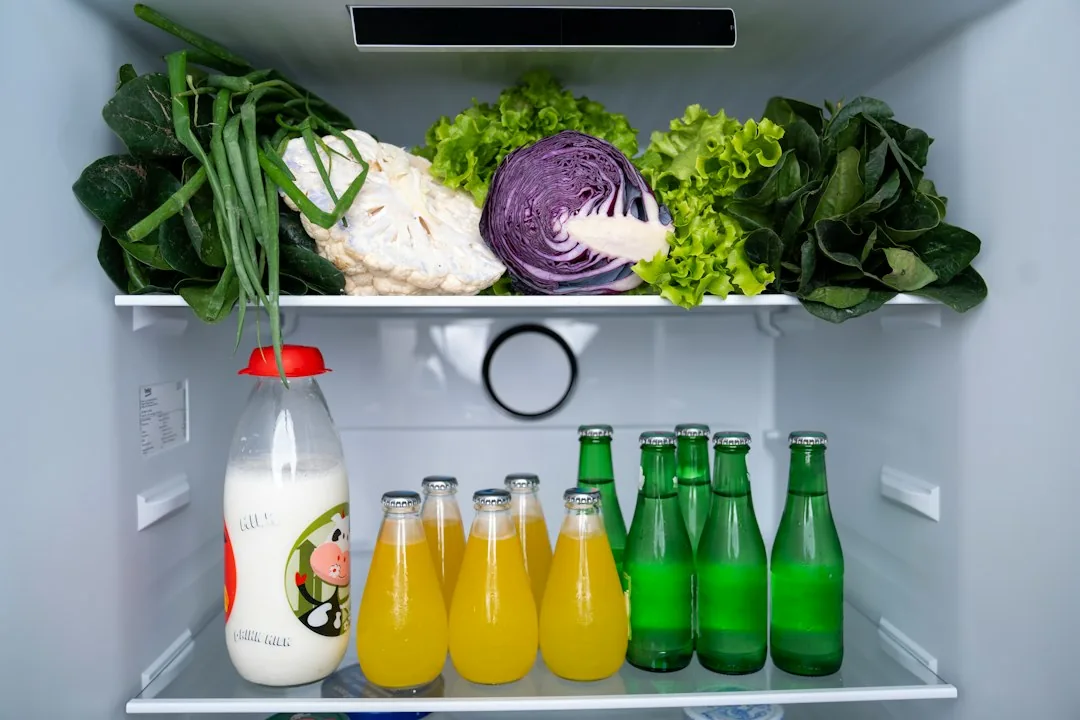
- Pull the “eat me first” bin forward and plan a meal around it.
- Toss anything expired or questionable.
- Wipe the shelf or drawer with the most spills.
- Move older items to the front before you add new groceries.
Doing this the night before you shop means you buy only what you need and nothing rots at the back.
Bins Do Not Have to Be Expensive
You do not need a matching set from a specialty store. Dollar-store bins, clean takeout containers and a cheap turntable do the same job. The organization comes from the system, not the price of the containers. If your whole kitchen needs help, see our small kitchen organization ideas and budget pantry organization.
Frequently asked questions
Where should eggs go in the fridge?
What is the coldest part of a fridge?
How do I stop wasting food in my fridge?
Should fruits and vegetables go in the same drawer?
How often should I clean out my fridge?
The Bottom Line
The fridge that stays organized is the one with a system: clear zones, an “eat me first” bin, and a 10-minute reset before each grocery trip. Raw meat on the bottom, dairy in the middle, condiments on the door, and nothing packed so tight that air cannot move. For the rest of your kitchen, our home organization hacks carry the same idea into every cabinet and drawer.