
Quick answer
The most useful way to winterize your home before the first hard freeze is to stop drafts, protect the pipes, and make sure you can heat the house safely. Disconnect and drain garden hoses, insulate exposed pipes, seal obvious leaks around doors and windows, service the heating system, test smoke and carbon monoxide alarms, and know how to keep a trickle of water moving on the coldest nights.
Contents
A burst pipe, a dead furnace, or a drafty door that you meant to fix “next weekend” can turn the first cold snap into an expensive mess. Mid-November is the right time to winterize your home: Thanksgiving travel and guest season are close, and in much of the country the first hard freeze is already on the calendar.
This is a practical, room-by-room plan you can finish in a weekend, with renter-friendly notes along the way. You do not need to renovate. You do need to protect the water lines, close the obvious leaks, and make sure the heat and alarms will work when the temperature drops.
Why Winterizing Before the First Freeze Matters
Water that sits in an unprotected pipe can freeze, expand, and crack the pipe or a fitting. When it thaws, that crack becomes a leak inside a wall, a basement, or a ceiling. Drafts around doors and windows do not usually cause that kind of damage, but they make the house harder to heat and can leave the rooms where pipes run even colder.
The U.S. Ready.gov winter weather guide and the American Red Cross winter storm pages both treat home preparation as part of winter safety: weatherize, prevent frozen pipes, and have a way to stay warm without creating a carbon monoxide risk. If you already sealed drafts last week, you are ahead. Our guide to stopping drafts around doors and windows covers that job in more detail, and this plan puts it in the larger winter checklist.
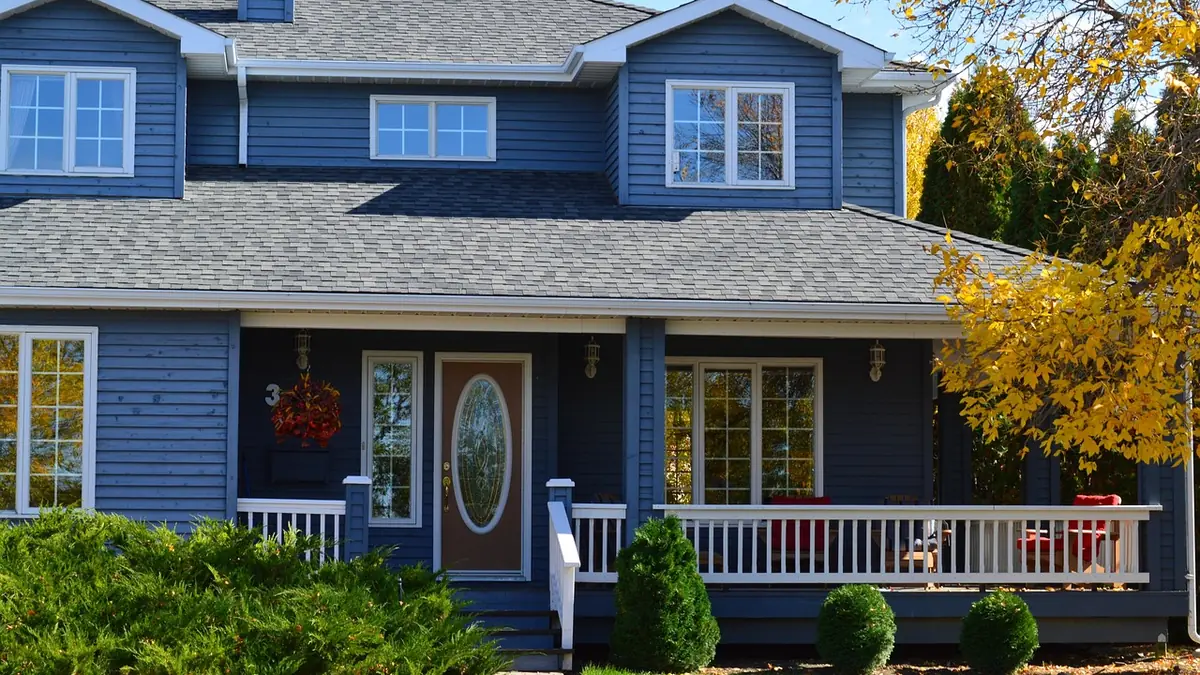
Outside: Hoses, Faucets, Gutters and the Roof
1. Disconnect and drain every garden hose
A hose left on an outdoor faucet can trap water in the faucet body and the pipe that feeds it. Disconnect the hose, drain it, and store it. Then close the indoor shutoff valve for that faucet if you have one, open the outdoor faucet to let leftover water out, and leave it open until spring so any remaining water can escape instead of freezing in the fixture.
2. Clean the gutters and check downspouts
Clogged gutters are not just a spring problem. Packed leaves plus snow and ice can send water back under the shingles or over the edge and onto a walkway, where it freezes. Clear the gutters, make sure downspouts send water away from the foundation, and take down any leftover Halloween or fall decorations that will get buried in ice.
3. Walk the exterior once
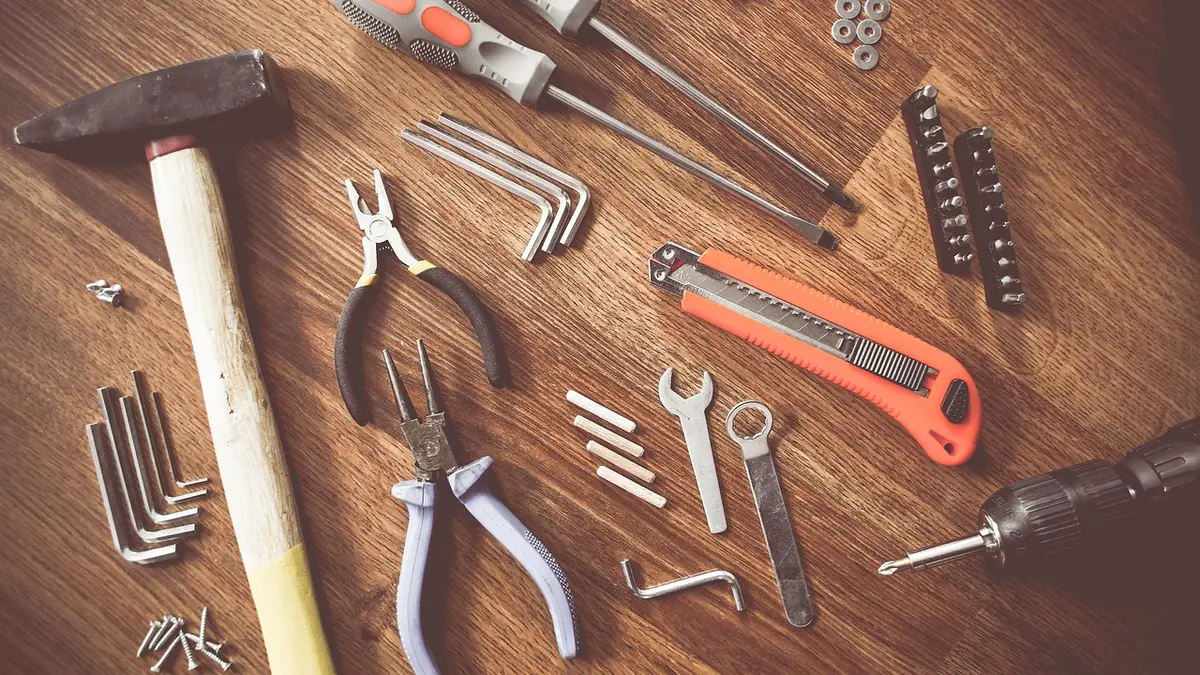
Look for cracked caulk around windows and outdoor faucets, loose weatherstripping, a damaged door sweep, and branches that hang over the roof or sit close to power lines. You do not have to climb onto an icy roof later if you notice a problem now. A simple tool kit is enough for most of the small fixes; see our basic repair tools notes if you are building a kit from scratch.
Stop Drafts and Seal the Envelope
4. Weatherstrip doors and add a door sweep
If you can see daylight under or around a door, you are paying to heat the yard. A new adhesive weatherstrip and a door sweep are inexpensive, renter-friendly if you stick to removable products, and among the fastest comfort upgrades in the house. The same goes for the attic hatch, which is an often-forgotten leak. Our step-by-step on how to stop drafts walks through the felt test, weatherstripping, caulk, and window film.
5. Seal obvious window leaks and add film if you need it
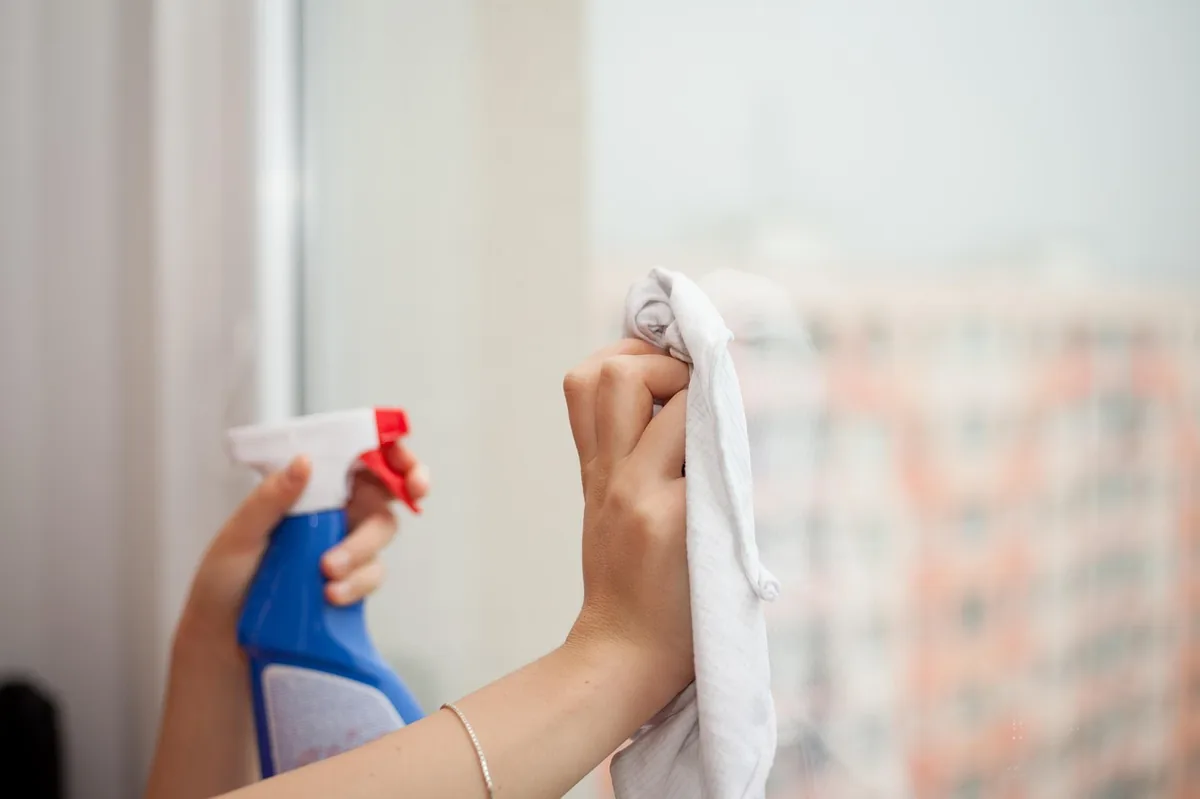
Wash the glass so you can see cracked caulk or a failed seal, then recaulk where the trim meets the wall or the window meets the frame. Interior window film is a cheap extra layer for single-pane rooms you do not want to renovate this year. Renters can usually use removable film and draft snakes without drilling.
6. Check the attic, basement and crawl space
These are the rooms where pipes, ducts, and the water heater often live, and they are also the rooms that get forgotten until something drips. Look for missing insulation on exposed pipes, daylight around rim joists, and a water heater that sits in a space that will drop close to freezing. Close foundation vents only if your home and climate call for it and the manufacturer or a local pro says it is appropriate; do not block combustion-air vents for a furnace or water heater.
Protect the Pipes
7. Insulate exposed water pipes
Foam pipe sleeves are inexpensive and take an afternoon to install on exposed lines in basements, crawl spaces, garages, and along exterior walls. Cut them to length, snap them on, and tape the seams so they stay closed. Pay extra attention to pipes on outside walls and any line that runs through an unheated space. This is also a good time to look at the first few feet of pipe at the water heater.
8. Know the “cold night” routine
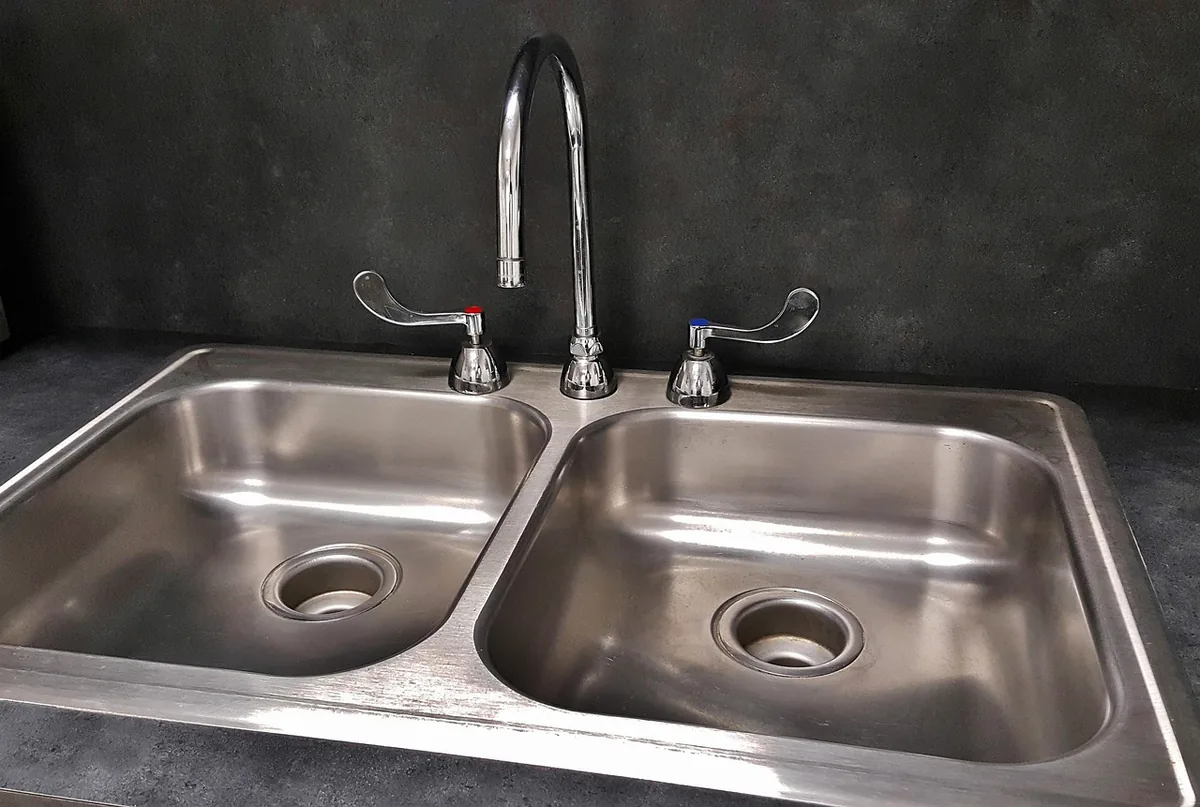
When a hard freeze is forecast, let a thin trickle of water run from faucets on exterior walls, especially a thin stream from both the hot and cold sides if those pipes are vulnerable. Open the cabinet doors under kitchen and bathroom sinks so warm room air can reach the plumbing. Keep the thermostat at a steady temperature, including at night and while you are at work; a big overnight setback in a drafty house can be what freezes a remote line.
9. Know where the main shutoff is
If a pipe does burst, the damage is measured in how fast you can stop the water. Find the main shutoff, make sure it actually turns, and show at least one other person in the house where it is. If you are going away for Thanksgiving, a neighbor who can get in and knows that valve is more useful than a stack of leftover towels.
10. Drain and winterize if you will be away or the heat might be off
If the house will sit empty in hard cold, or if a power outage could last long enough for indoor temperatures to crash, you need a plan. That can mean leaving the heat on at a conservative setpoint (often in the mid-50s or as your plumber advises), asking someone to check the house, or, for longer vacancies, shutting the water off and draining the system. Do not leave a vacation home silent and unheated with the water on and hope for the best. Pair this with our home security tips before vacation so the house is both safer and less likely to freeze while you travel.
Heat, Fireplaces and Carbon Monoxide
11. Service the furnace or heat pump and change the filter
A clogged filter makes the system work harder and can cause it to overheat or shut down on the first really cold night. Replace it, keep a spare, and schedule professional service if you skipped last year’s tune-up. Clear space around the furnace, vents, and outdoor heat-pump unit so snow and storage boxes are not blocking airflow.
12. Test smoke and carbon monoxide alarms
Press the test button on every alarm, replace expired units, and use the right batteries. Carbon monoxide is a winter problem because that is when furnaces, water heaters, fireplaces, and (dangerously) portable generators and fuel-burning heaters are running. The CDC and Ready.gov are clear on this: never use a generator, grill, or camp stove inside the house, in a garage, or near a window, and never use a gas oven or a stove as a heater.
13. Get the fireplace and chimney checked if you use them
A blocked or dirty chimney is a fire and carbon monoxide risk. If you burn wood, have the chimney inspected and cleaned before the first fire. Keep a metal screen in front of the fireplace, and let ashes cool completely in a metal container away from the house. Space heaters need three feet of clearance from curtains, bedding, and Christmas trees, and they should be plugged directly into a wall outlet, not a cheap extension cord.
Inside the House: A Short Comfort Pass
14. Reverse ceiling fans and check the rooms you actually use
In winter, many ceiling fans have a reverse (clockwise, low speed) setting that can help push warm air down without a draft. Walk the bedrooms and bathrooms on exterior walls and feel for cold corners. Those are the rooms where a draft snake, a better curtain, or a slightly higher setpoint pays off, especially if guests will be staying over. If you are hosting, our holiday cleaning checklist and bedroom cleaning hacks will get the guest space ready once the room is actually warm.
15. Make a small outage kit
Ready.gov and the Red Cross both recommend a simple winter kit: flashlights, extra batteries, a battery radio, shelf-stable food, bottled water, any regular medicines, warm blankets, and a backup way to charge a phone. If you use medical equipment that needs power, know the local plan for a long outage now, not during the storm. Add a shovel, ice melt, and a working flashlight by the door.
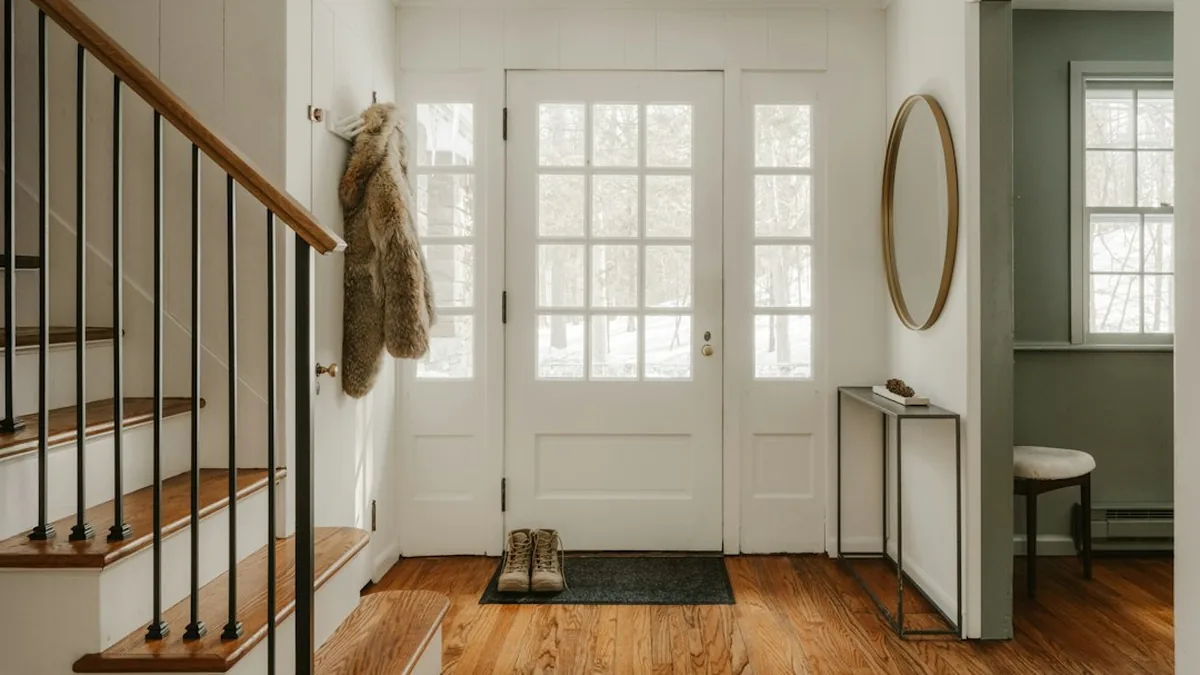
16. Give the entry a winter job
A boot tray, a hook for wet coats, and a mat that can take snow will save the floors and keep slush from sitting against a wooden door. It is a small organization job with a winter purpose. Our entryway organization ideas have more options for small and rental spaces.
Renter-Friendly Winterizing
You can do most of this list without drilling or changing the building: removable weatherstripping, draft snakes, window film, disconnecting hoses if you have a patio faucet, opening cabinets on cold nights, replacing a furnace filter if you are responsible for it, and testing alarms. Ask the landlord in writing to service the heat, fix a broken window, or address a pipe in an unheated space. Do not use ovens, grills, or generators to heat an apartment. For more damage-free ideas, see our renter-friendly home security ideas and cleaning hacks for renters.
Winterizing Checklist
- Disconnect, drain and store garden hoses; shut and drain outdoor faucets
- Clean gutters and aim downspouts away from the foundation
- Walk the exterior for cracked caulk, hanging branches and damaged door sweeps
- Weatherstrip doors, add a sweep, and seal the attic hatch
- Recaulk leaky windows or add removable film
- Insulate exposed pipes in the basement, crawl space, garage and along exterior walls
- Find and test the main water shutoff
- Replace the furnace or heat-pump filter and clear the area around the unit
- Test smoke and carbon monoxide alarms; never heat with an oven, grill or indoor generator
- Schedule a chimney inspection if you burn wood
- Open sink cabinets and drip faucets on hard-freeze nights
- Keep the heat on at a steady setpoint if you travel; ask a neighbor to check the house
- Put together a small outage kit and a boot-ready entry
Frequently Asked Questions
Frequently asked questions
When should I winterize my home?
What is the most important step to prevent frozen pipes?
Should I turn the heat way down at night to save money?
Can I winterize a rental apartment?
Is it safe to use a portable generator or a gas oven if the power goes out?
The Bottom Line
Winterizing your home is a short weekend project with a large payoff: fewer drafts, a lower odds of a burst pipe, and a heating system you can trust when guests and cold weather arrive together. Disconnect the hoses, seal the obvious leaks, insulate the exposed pipes, service the heat, test the alarms, and know the cold-night drip routine. Do that before the first hard freeze, and the rest of winter gets a lot easier.

1 thought on “How to Winterize Your Home Before the First Freeze: 16 Essential Steps”