Quick answer
The most important space heater safety tips: keep the heater at least 3 feet from anything that can burn, plug it straight into a wall outlet (never an extension cord or power strip), set it on a hard, flat surface out of foot traffic, and turn it off whenever you leave the room or go to bed. Buy a heater certified by a recognized testing lab with tip-over shut-off and overheat protection, check the cord and plug for heat, and keep working smoke and carbon monoxide alarms on every level of your home.
Contents
When the first real cold snap hits, a space heater feels like the easiest fix for a chilly home office, a drafty bedroom or a guest room that never quite warms up. It is also one of the riskiest appliances in the house if it’s used carelessly.
According to the National Fire Protection Association, space heaters and heating stoves were involved in about 30% of home heating equipment fires from 2020 to 2024, but were linked to 73% of the deaths from those fires (NFPA). The U.S. Consumer Product Safety Commission estimates portable heaters, including electric space heaters, are involved in an average of 1,600 fires a year (CPSC). The good news is that nearly every one of these safety rules is simple. Here’s exactly how to use a space heater safely this winter, based on guidance from the NFPA, CPSC and the U.S. Fire Administration.
Why Space Heater Safety Matters in Winter
Heating fires follow the weather. NFPA reports that nearly half of home heating equipment fires (46%) happen from December through February, and that heating equipment is one of the leading causes of home fire deaths (NFPA). Fire departments responded to an estimated average of 37,365 home fires involving heating equipment each year from 2020 to 2024.
The U.S. Fire Administration found something even more striking: portable heater fires were only about 3% of home heating fires in 2017 to 2019, yet they accounted for 41% of fatal home heating fires (USFA). Space heater fires are less common than other heating fires, but when they happen they’re far more likely to be deadly, usually because the heater was too close to bedding, furniture or curtains.
Choose a Safer Space Heater
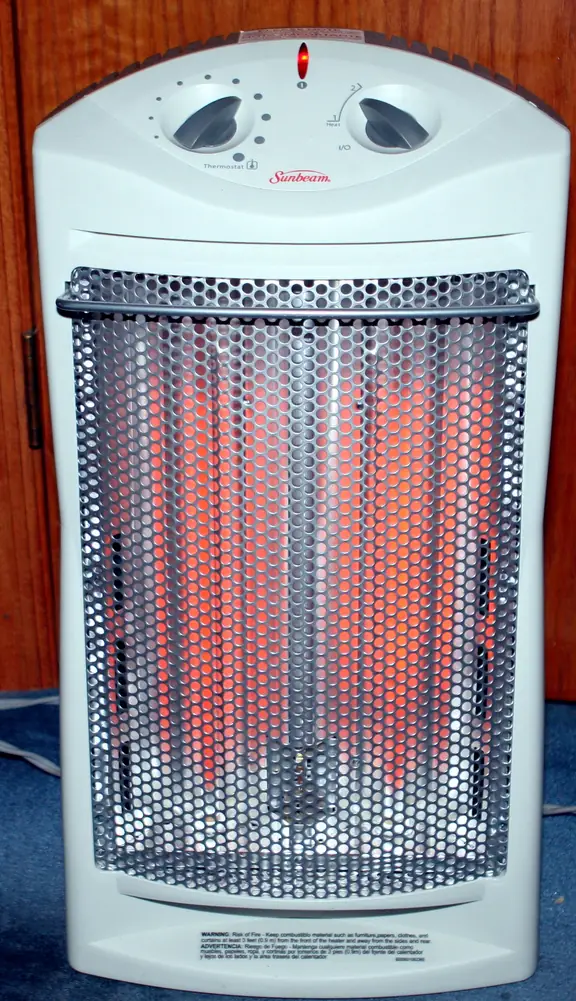
Safety starts at the store. Look for these features before you buy, or check the heater you already own:
- A testing lab certification mark. NFPA and the U.S. Fire Administration both recommend buying a heater that carries the seal of a recognized testing laboratory (NFPA) (USFA).
- Automatic tip-over shut-off. The heater should turn itself off if it gets knocked over (USFA).
- A thermostat and overheat protection. NFPA recommends choosing a heater with both (NFPA).
- No recalls. Before you plug in a heater, especially a used or older one, search it at CPSC.gov/Recalls. If it has been recalled, stop using it and contact the company for the remedy (CPSC).
NFPA lists four common types of electric space heaters: oil- or water-filled radiators, fan-forced heaters, ceramic heaters and infrared heaters (NFPA). Whatever type you choose, the placement and plug rules below apply to all of them.
Follow the 3-Foot Rule
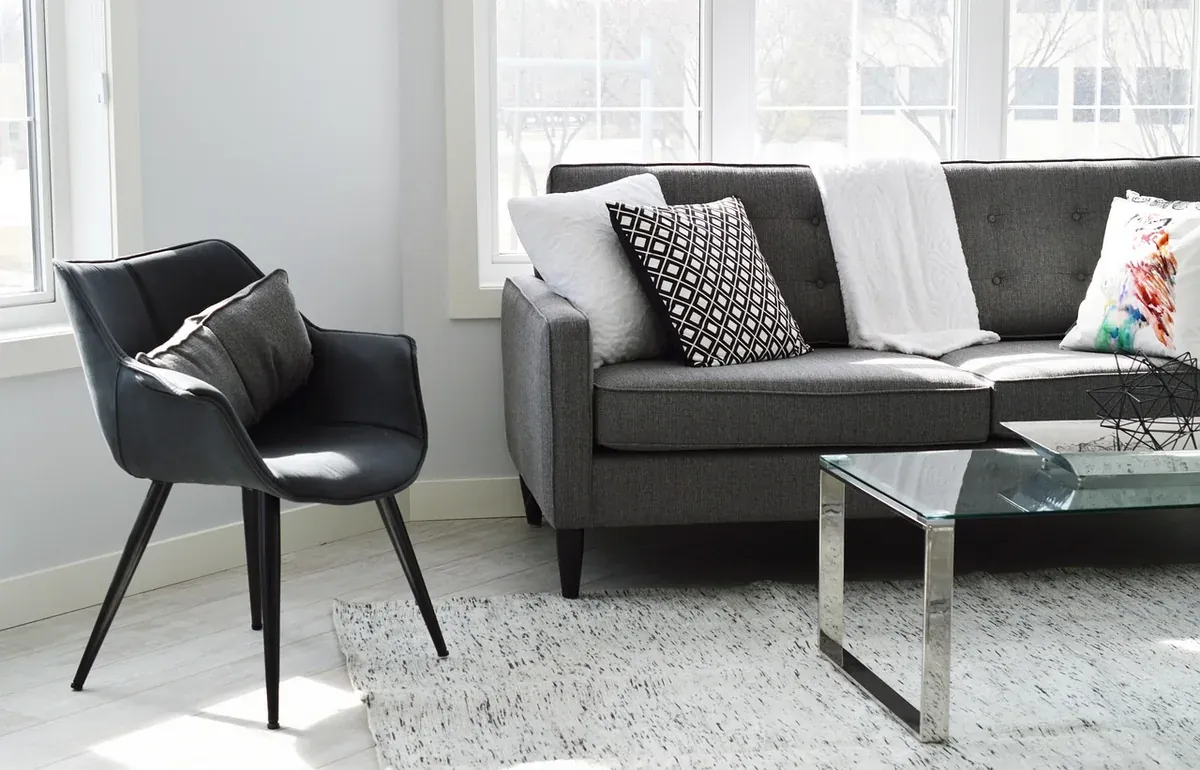
This is the single most important space heater safety tip. CPSC says to keep all sides of a portable heater at least 3 feet from beds, clothes, curtains, papers, sofas and anything else that can catch fire (CPSC). NFPA adds that the 3-foot zone includes people, too (NFPA).
- Measure 3 feet from the front, sides and back of the heater, not just the front.
- Watch for things that drift into the zone: throw blankets slipping off the couch, curtains blowing in a draft, laundry piles and wrapping paper.
- Don’t dry clothes, shoes or mittens on or near a heater.
- Keep the heater out of high-traffic paths so no one trips over it, and never put it where it blocks an exit (NFPA).
If you’re using a heater because one room is always cold, it’s worth finding out why. Sealing gaps around windows and doors with our guide on how to stop drafts can mean you need the heater less often, or not at all.
Plug It Into the Wall, Never an Extension Cord
Space heaters draw a lot of power, which is why every major safety group gives the same rule: plug an electric space heater directly into a wall outlet, never into an extension cord or power strip (CPSC). The U.S. Fire Administration also advises not plugging anything else into the same circuit as your heater, because it can cause overheating (USFA).
- Check the fit. The plug should fit snugly in the outlet. If it’s loose, don’t use that outlet for the heater (CPSC).
- Feel for heat. While the heater runs, check the plug, cord and outlet faceplate now and then. If the plug or outlet is hot, stop using the heater and have a qualified electrician check the outlet. If the cord is hot, unplug the heater and have it inspected or repaired (CPSC).
- Keep the cord in the open. Never run a heater cord under rugs or carpeting, which can damage the cord and start a fire (CPSC).
- Inspect before each season. Don’t use a heater with a frayed cord, cracked housing or any damage (CPSC).
Placement: Where to Put a Space Heater
Where the heater sits matters almost as much as how far it is from your couch. Follow these placement rules:
- Hard, flat and stable. Set the heater on a solid, level surface where it won’t get knocked over (NFPA). Avoid putting it on a rug, bed, chair or table.
- Away from water. Keep electric heaters away from water, such as sinks, tubs and damp floors, and never touch an electric heater when you are wet (CPSC).
- Away from kids and pets. NFPA says to keep children away from space heaters (NFPA). Pets need the same space: a curious dog or cat can knock a heater over or brush against the hot surface.
- Never in place of a furnace. A space heater is for supplemental heat in one room, not for heating the whole house. And never use your oven to heat your home (USFA).
Turn It Off When You Leave the Room or Go to Bed

A space heater should never run while no one is watching it. CPSC says to never leave a heater operating while unattended or while you’re sleeping (CPSC), and NFPA recommends turning space heaters off and unplugging them when you leave the room or go to bed (NFPA).
If your bedroom is too cold to sleep in, warm it up with the heater while you get ready for bed, then switch it off before you lie down. Heavier bedding, flannel sheets and closing the bedroom door will hold the warmth for hours. For more on setting up a calm, clutter-free sleep space, see our bedroom organization ideas.
Hosting family for Thanksgiving or the holidays? If you add a space heater to the guest room, walk your guests through these rules and make sure there’s a clear 3-foot zone around it. Our list of guest room essentials can help you get the room ready.
Fuel-Burning Heaters and Carbon Monoxide

Kerosene, propane and other fuel-burning heaters bring a second danger: carbon monoxide (CO), an odorless, colorless and deadly gas. If you use one, follow the manufacturer’s instructions closely and:
- Use only the proper fuel for that heater (USFA).
- Never refuel it while it’s running. Turn it off, let it cool, and refuel outside (CPSC) (USFA).
- Choose a model from a recognized testing laboratory with automatic tip-over shut-off (USFA).
- Never use fuel-burning heaters, camping heaters or generators indoors in an unvented space. CPSC says portable generators belong outdoors only, at least 20 feet from the home (CPSC).
Our guide on how to winterize your home covers furnace checks, chimneys and carbon monoxide safety in more detail.
Smoke and CO Alarms: Your Backup Plan
Even careful households should have a backup. CPSC recommends smoke alarms on every level of the home and inside each bedroom, and CO alarms on every level and outside sleeping areas. Test them every month, and replace batteries at least once a year, or choose alarms with sealed 10-year batteries (CPSC).
Winter is also peak season for cooking and candle fires, so pair these habits with our kitchen fire prevention tips and holiday decorating safety tips. Leaving town for the holidays? Make sure every space heater is unplugged before you go, along with the other steps in our home security tips before vacation.
Space Heater Safety Checklist
- The heater has a testing lab certification mark, tip-over shut-off and overheat protection.
- It is not on the CPSC recall list.
- It sits on a hard, flat floor, out of walkways and away from exits.
- Everything that can burn, including people and pets, stays at least 3 feet away on all sides.
- It’s plugged directly into a wall outlet, with nothing else on that circuit, and no extension cord or power strip.
- The cord isn’t under a rug, and the plug and outlet don’t feel hot.
- It’s off and unplugged whenever you leave the room or go to sleep.
- Smoke and CO alarms are working on every level of the home.
Frequently asked questions
Is it safe to leave a space heater on overnight?
Can you plug a space heater into a power strip or extension cord?
How far should a space heater be from furniture and curtains?
Why does my space heater plug get hot?
What is the safest type of space heater?
The Bottom Line
Space heater safety comes down to a few habits you can start tonight: give the heater 3 feet of clear space, plug it straight into the wall, keep it on a flat floor away from kids, pets and water, and turn it off whenever you walk away or go to sleep. Add working smoke and CO alarms, and you can stay warm all winter without putting your home at risk. For more cold-weather prep, read our guide on how to winterize your home.
Sources
- NFPA: Home Heating Safety
- NFPA: Electric Portable Space Heater Safety (tip sheet)
- CPSC: Keep Warm and Safe This Winter (January 2026)
- CPSC: Reducing Fire Hazards for Portable Electric Heaters (Publication 098)
- U.S. Fire Administration: Heating Fire Safety
- U.S. Fire Administration: Heater Fire Safety card