Quick answer
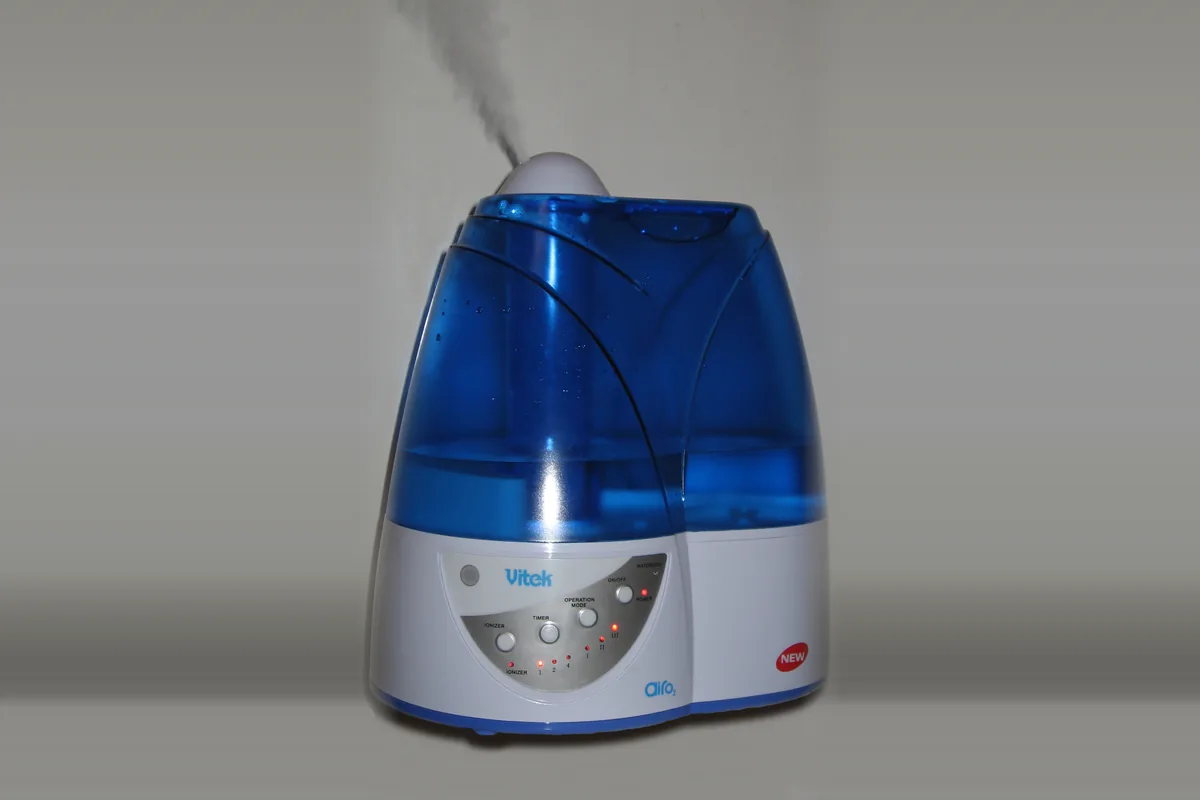
How to clean a humidifier: unplug it, empty the tank every day, wipe it dry and refill it with fresh water. Every third day, scrub the tank and any parts that touch water with a brush and a 3% hydrogen peroxide solution (or the cleaner your manual recommends), loosen mineral scale with a half-vinegar, half-water soak, then rinse several times before refilling. Use distilled or demineralized water to cut down on scale and white dust, replace filters on schedule, and keep indoor humidity between 30% and 50%.
Contents
Once the heat comes on for winter, the air inside most American homes dries out fast. A humidifier can make a big difference for dry skin, cracked lips, a scratchy throat and the static shocks that come with every sweater. But a humidifier is also a tank of standing water sitting in a warm room, and if you don’t clean it, it can end up blowing mold, bacteria and minerals into the air you breathe.
The good news is that keeping one clean takes only a couple of minutes a day and a quick scrub every few days. Here’s exactly how to clean a humidifier, step by step, based on guidance from the U.S. Environmental Protection Agency (EPA), the U.S. Consumer Product Safety Commission (CPSC) and Mayo Clinic.
Why You Need to Clean Your Humidifier
CPSC has found that bacteria and fungi often grow in the tanks of portable and console room humidifiers and can be released in the mist. Breathing that dirty mist may cause problems ranging from flu-like symptoms to serious infection, and it’s a special concern for anyone with allergies or asthma (CPSC). Mayo Clinic adds that dirty humidifiers can be a problem for healthy people, too, not just those with breathing conditions (Mayo Clinic).
The type of humidifier matters. According to the EPA, ultrasonic and impeller (“cool mist”) humidifiers generally disperse the most microorganisms and minerals into the air. Evaporative and steam vaporizer models can still grow microorganisms in a standing-water tank, but they generally disperse less, if any, of those pollutants (EPA). Whatever kind you own, the cleaning routine below applies.
Watch for these warning signs that your humidifier is overdue for a cleaning:
- Film or slime on the water surface, the sides or bottom of the tank, or on exposed motor parts. CPSC says this may mean bacteria or fungi are growing in the tank (CPSC).
- Crusty white or tan scale inside the tank or on parts sitting in water. That scale is made of minerals from the water, and bacteria and fungi can grow on it (CPSC).
- Fine white dust on furniture near the humidifier, which is minerals from tap water being released in the mist (CPSC).
What You’ll Need
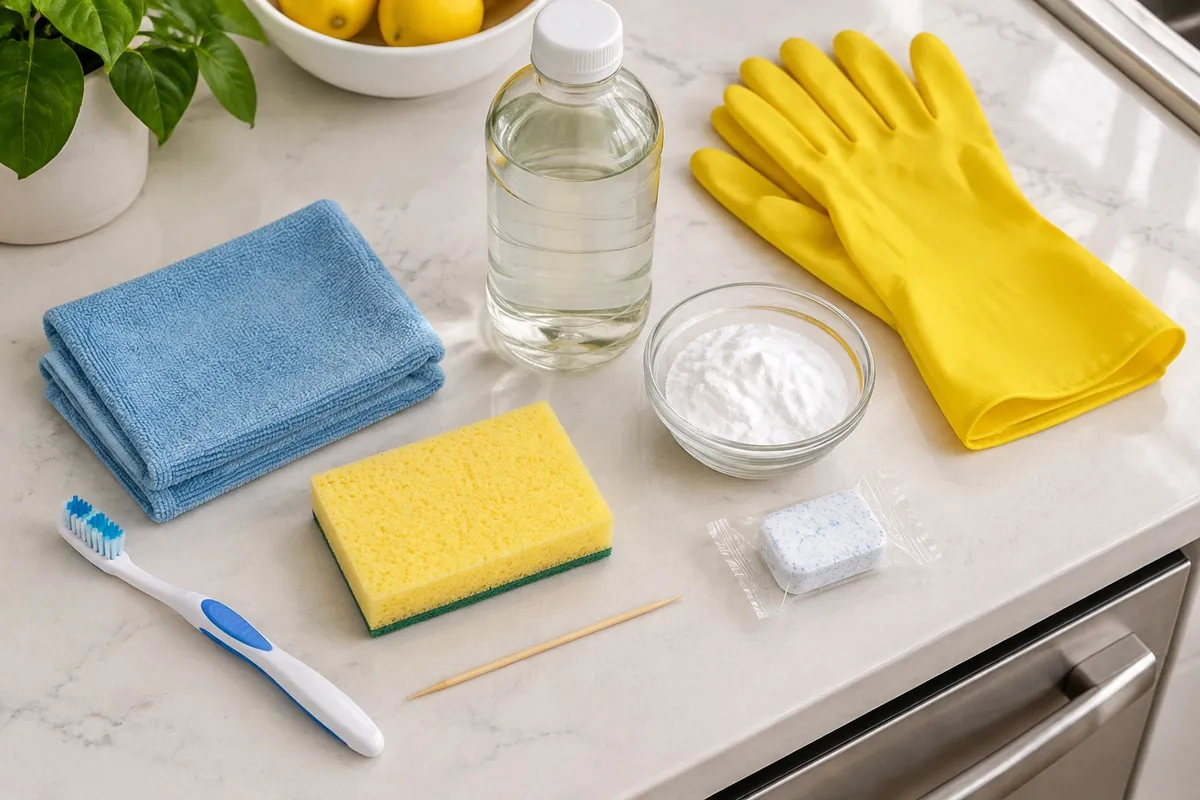
You probably have everything already. Gather these before you start:
- Your humidifier’s instruction manual (or the manufacturer’s website), since some models need special cleaning steps (CPSC).
- A soft brush or small scrub brush, plus a soft cloth or towel.
- 3% hydrogen peroxide from the pharmacy, which both the EPA and Mayo Clinic suggest when the manufacturer doesn’t specify a cleaner (EPA) (Mayo Clinic).
- Plain white vinegar for loosening mineral scale. Our guide to cleaning hacks with vinegar has more ways to use it around the house.
- Distilled or demineralized water for refilling.
- Rubber gloves, if you like.
Always unplug the humidifier before you clean or fill it (EPA) (CPSC).
Daily Care: Empty, Dry and Refill
The single best habit is changing the water every day. The EPA recommends emptying the tank, wiping all surfaces dry and refilling portable humidifiers daily to reduce the growth of microorganisms (EPA). Mayo Clinic says this step is especially important for cool-mist and ultrasonic humidifiers (Mayo Clinic).
- Unplug the humidifier.
- Pour out any water left in the tank and base. Don’t just top it off.
- Wipe the inside surfaces dry with a clean, soft towel.
- Refill with fresh distilled or demineralized water and plug it back in.
If your humidifier is a console model or the tank isn’t removable, follow the manufacturer’s instructions for changing the water (EPA).
How to Clean a Humidifier Every Third Day
Daily water changes keep things fresh, but you still need a real scrub. The EPA and Mayo Clinic both recommend cleaning portable humidifiers every third day (EPA) (Mayo Clinic). Here’s how:
- Unplug and take it apart. Remove the tank and any removable parts, following your manual.
- Empty everything. Pour out all the water from the tank and base.
- Scrub the tank. Use a brush or other scrubber to remove any scale, deposits or film from the sides of the tank and other interior surfaces (EPA). CPSC says to be careful not to damage the motor or scratch the inner surface (CPSC).
- Disinfect. Use the cleaner or disinfectant your manufacturer recommends. If there’s no specific recommendation, the EPA suggests cleaning all surfaces that touch water with a 3% hydrogen peroxide solution (EPA).
- Rinse well. Rinse the tank thoroughly with several changes of water so no cleaning chemicals end up in the mist (EPA).
- Dry and refill. Wipe the surfaces dry, put the humidifier back together and refill it with fresh water.
Some manufacturers recommend diluted chlorine bleach instead of hydrogen peroxide. If you use bleach or any other disinfectant, CPSC says to rinse the tank well so you don’t breathe in harmful chemicals (CPSC). Use one cleaning product at a time and rinse it out completely before you use a different one.
Wipe the outside of the unit, too. CPSC recommends removing dust from the outside of your humidifier (CPSC). Adding it to your weekly cleaning schedule makes it easy to remember.
How to Remove Mineral Scale With Vinegar
Hard water leaves a crusty buildup that brushing alone won’t always remove. CPSC’s winter humidifier guidance says to remove scale or mineral deposits with a soft brush or towel and a vinegar solution of half vinegar, half water (CPSC).
- Unplug the humidifier and empty the tank.
- Mix equal parts white vinegar and water and pour enough into the tank or base to cover the crusty areas.
- Let it sit to soften the deposits, then scrub gently with a soft brush or towel.
- Pour out the solution and rinse with several changes of water until you can’t smell vinegar.
- Wipe dry and refill with fresh water.
Check your manual before soaking any part that holds electronics, like the ultrasonic plate or the motor housing. Many models want those parts wiped rather than soaked. For more gentle, pantry-based cleaners, see our natural cleaning recipes.
Tap Water vs. Distilled Water (and That White Dust)
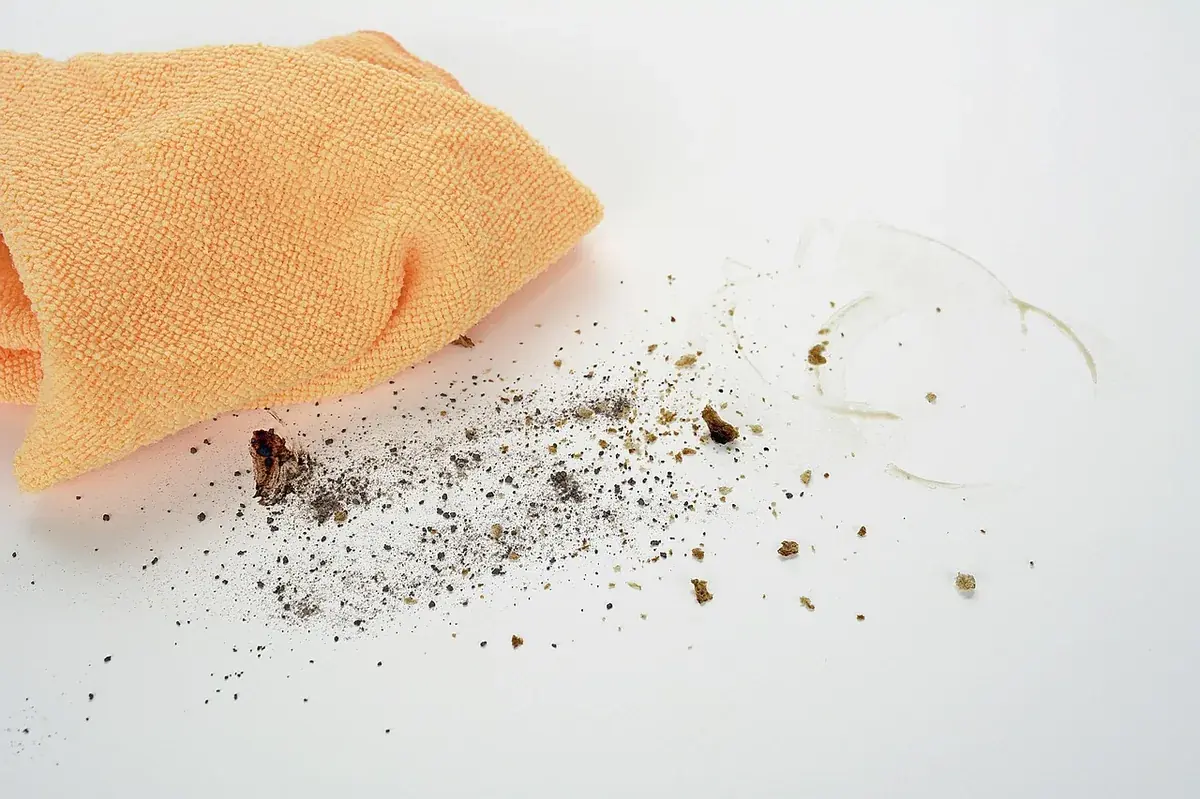
If you’ve ever noticed a chalky film on your nightstand after running a humidifier, you’ve seen mineral dust. The EPA says ultrasonic and impeller humidifiers are very efficient at dispersing the minerals in tap water into the air, and those minerals can also build up as scale, which can become a breeding ground for microorganisms (EPA).
CPSC recommends using distilled or demineralized water to reduce scale buildup and the release of dust, and using demineralization cartridges or filters if your humidifier came with them or the maker recommends them (CPSC). Mayo Clinic gives the same advice (Mayo Clinic). A gallon of distilled water is inexpensive at most grocery stores, and it can mean far less scrubbing.
Filters, Wicks and Central Humidifiers
Evaporative humidifiers push air through a wet wick, filter or belt, and those parts need attention too:
- Replace filters on schedule. Mayo Clinic says to change the humidifier filter at least as often as the manufacturer suggests, and more often if it looks dirty (Mayo Clinic).
- Clean or replace sponge filters and belts when needed (CPSC).
- Follow the manual for central humidifiers. For whole-house units built into your furnace or HVAC system, follow the manufacturer’s directions or ask a heating and cooling professional to keep the unit in good shape (EPA) (Mayo Clinic).
- Know when to replace it. Over time, humidifiers can build up deposits that are hard or impossible to remove, which makes bacteria more likely to grow. Mayo Clinic suggests thinking about replacing old humidifiers (Mayo Clinic).
Keep Indoor Humidity Between 30% and 50%

Cleaning is only half the job. Too much humidity causes its own problems. CPSC recommends keeping relative humidity in your home between 30% and 50% if possible, and warns that levels above 60% may let moisture build up and condense on surfaces where bacteria and fungi can grow (CPSC). The EPA advises against humidifying above 50% (EPA).
- Use a hygrometer. This inexpensive gauge, sold at hardware stores, measures indoor humidity (CPSC). Some humidifiers have a built-in humidistat that keeps levels in range automatically (Mayo Clinic).
- Watch for condensation. Moisture on walls or windows is a sign of too much humidity (CPSC). If nearby windows, carpet or curtains get damp, turn the humidifier down or use it less often (Mayo Clinic).
- Place it where air moves. Put the humidifier where air circulates freely (CPSC), on a hard surface rather than carpet, and away from drapes and bedding.
- Keep steam models away from kids. The EPA says to keep steam vaporizer humidifiers out of children’s reach because steam and boiling water may cause burns (EPA).
Running a humidifier in a bedroom? Pair this routine with our bedroom cleaning hacks to keep dust under control. And if you’re also using a space heater to warm up a cold room this winter, review our space heater safety tips. Getting a guest room ready for the holidays? A freshly cleaned humidifier is a thoughtful addition to our list of guest room essentials.
How to Store a Humidifier at the End of Winter
When spring arrives, don’t just stash the humidifier in a closet with water still inside. CPSC recommends draining and cleaning the tank before you store it, cleaning it again after storage, and removing dust from the outside of the unit (CPSC). Mayo Clinic adds that you should throw away used cartridges, cassettes or filters before storing it (Mayo Clinic). Make sure every part is completely dry before it goes in the box.
At the start of the next heating season, clean the humidifier before you run it for the first time (CPSC). It fits right in with the rest of your fall prep in our guide on how to winterize your home. And if your rooms feel dry partly because cold air is leaking in, our guide on how to stop drafts can help, too.
Humidifier Cleaning Checklist
- Every day: unplug, empty the tank, wipe it dry and refill with fresh distilled or demineralized water.
- Every third day: scrub the tank and parts with a brush, disinfect with 3% hydrogen peroxide or the cleaner your manual recommends, and rinse several times.
- As needed: soak away mineral scale with half vinegar, half water, then rinse until the smell is gone.
- On schedule: replace filters, wicks and demineralization cartridges, sooner if they look dirty.
- Always: keep indoor humidity between 30% and 50% and check for condensation on windows.
- End of season: drain, clean and fully dry the humidifier before storing it, and clean it again before the next use.
Frequently asked questions
How often should you clean a humidifier?
Can you clean a humidifier with vinegar?
Is it OK to use tap water in a humidifier?
Why is there slimy film in my humidifier?
What humidity level should I keep in my home?
The Bottom Line
Learning how to clean a humidifier comes down to a few simple habits: fresh water every day, a scrub and disinfecting rinse every third day, a vinegar soak when scale builds up, and distilled water to keep white dust away. Keep your home between 30% and 50% humidity, clean the unit before you store it, and your humidifier will keep the dry winter air comfortable without sending mold or minerals into your home.