
Quick answer
Dingy grout makes a whole room look dirty. Here is how to clean grout on floors and tile with baking soda and vinegar, how to deal with mildew, and how to keep it clean.
Contents
Grout is the quiet reason a tiled room looks dirty even after you have cleaned the tile. Those porous lines soak up grease, soap scum, mildew and foot traffic, and they go from bright to grimy gray over time.
The good news: you can bring most grout back to life with baking soda, vinegar and a bit of scrubbing, no harsh chemicals required. Here is how to clean grout on floors and tile, how to handle mildew, and how to keep it looking fresh.
What You’ll Need
- Baking soda
- White vinegar in a spray bottle
- An old toothbrush or a stiff grout brush
- A cloth and warm water
- Rubber gloves
For the whole bathroom, our bathroom cleaning hacks cover the tile, glass and fixtures too.
The Natural Grout Cleaning Method
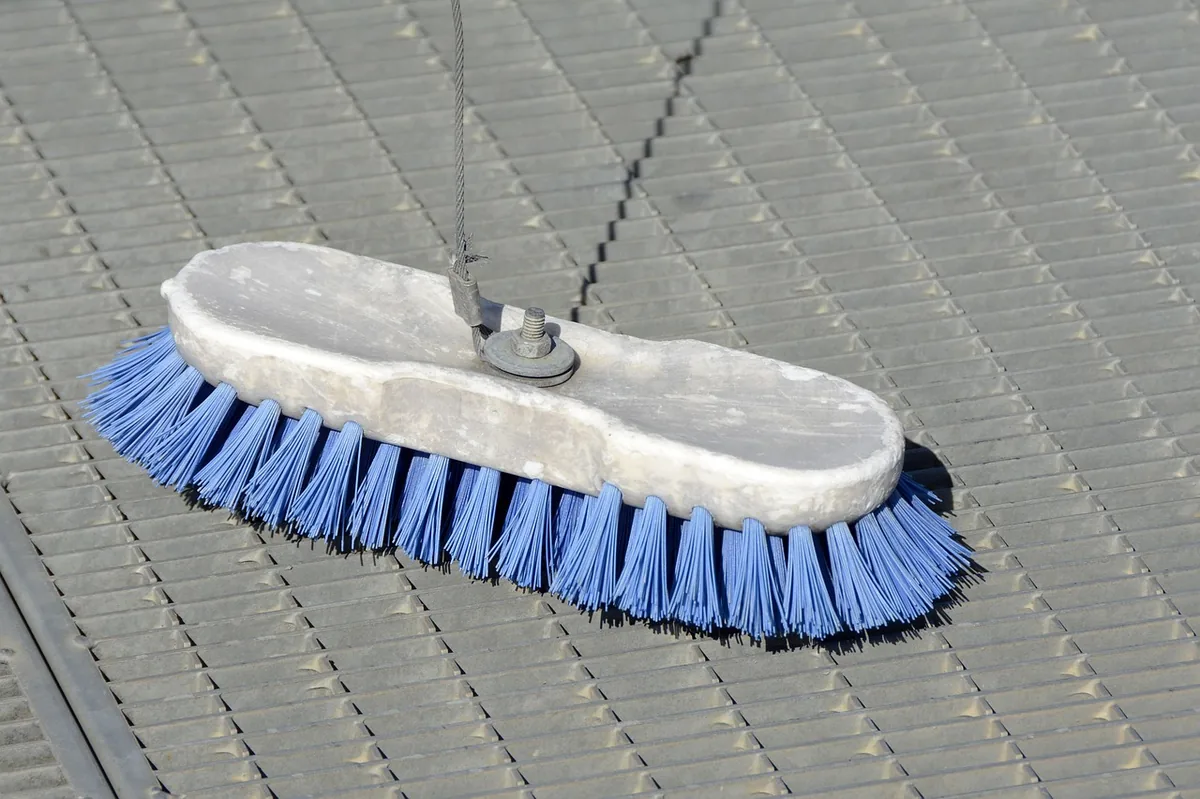
1. Start with a warm rinse
Wipe or mop the tile with warm water first to remove loose dirt, so you are scrubbing grime, not mud.
2. Make a baking soda paste
Mix baking soda with a little water into a thick paste. Spread it along the grout lines with your fingers or an old toothbrush.
3. Spray with vinegar
Spray white vinegar over the paste. It will foam as it reacts, which helps loosen grime in the porous grout.
4. Let it sit
Wait 5 to 10 minutes. For heavy buildup, let it sit a little longer.
5. Scrub along the lines
Scrub the grout with the toothbrush or grout brush, working along the lines, not across them. This is where the elbow grease comes in, but the paste does most of the lifting.
6. Rinse and dry
Wipe with a clean damp cloth, rinse well, and dry. Dingy gray grout usually comes back several shades brighter.
Our vinegar guide and baking soda guide explain why this pairing works so well on porous surfaces.
Dealing With Mold and Mildew
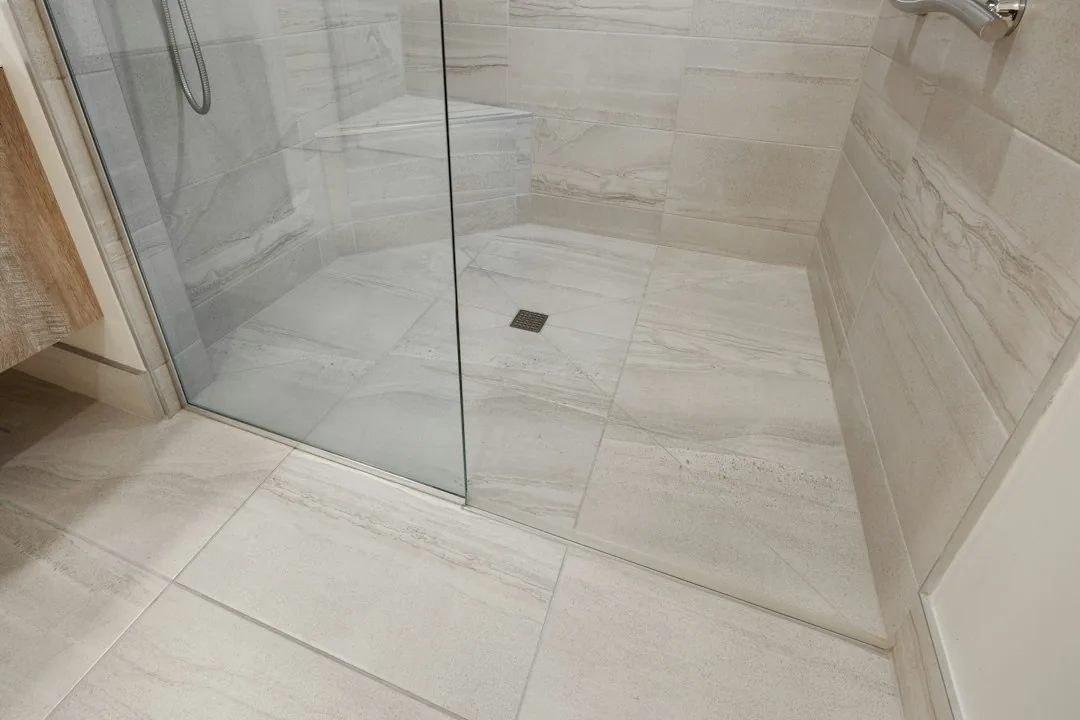
The black or pink stuff in shower grout is mildew, and it needs more than a scrub:
- For light mildew, the baking soda and vinegar method often handles it.
- For stubborn mildew, use a product made to kill it, or a diluted bleach solution (never mixed with vinegar or any other cleaner). Ventilate the room and wear gloves. Mixing bleach with acids like vinegar releases toxic gas (Poison Control).
- If mildew keeps coming back, the real fix is moisture control: better ventilation and keeping the grout dry (EPA mold guidance).
Never use bleach and vinegar on the same grout at the same time. Rinse thoroughly and let it dry fully between different cleaners.
A Word on Stone and Colored Grout
- Natural stone tile: skip the vinegar. Acid etches stone. Use a baking soda paste with water only, or a stone-safe cleaner.
- Colored grout: test a hidden spot first, since strong scrubbing or bleach can lighten it.
When in doubt, start with the gentlest option (baking soda and water) and work up only if you need to.
How to Keep Grout Clean Longer

Clean grout stays clean with a few habits:
- Seal it. A grout sealer, reapplied every year or two, keeps grime and moisture from soaking in. This is the single best long-term step.
- Squeegee the shower after use and wipe down wet tile so mildew has less to grow on.
- Ventilate. Run the fan or open a window after showers.
- Do a quick weekly wipe so buildup never gets a head start.
A full grout scrub is one of the jobs on our deep cleaning checklist; keeping up with it means you rarely have to do the big version.
Frequently asked questions
What is the best way to clean grout naturally?
How do I get mold out of shower grout?
Can I use vinegar on all grout?
How do I keep grout from getting dirty again?
Why is my grout still dark after cleaning?
The Bottom Line
Grout is porous, so it traps grime, but baking soda and vinegar lift most of it with a bit of scrubbing along the lines. Treat mildew separately, skip vinegar on natural stone, and never mix bleach with other cleaners. Then seal the grout and wipe down wet tile to keep it bright. For the rest of the room, our bathroom cleaning hacks take it from here.